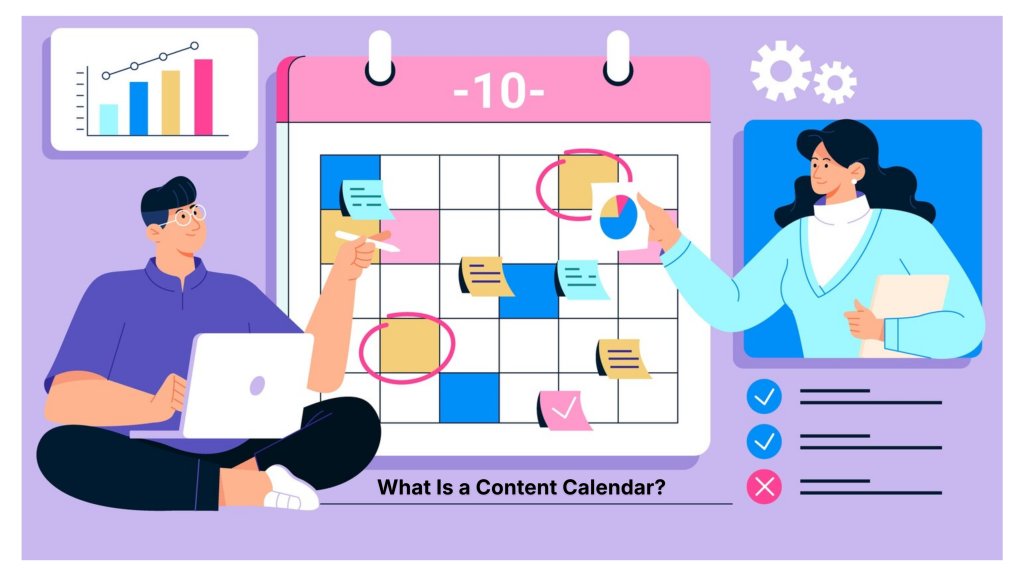
If you are building a brand, blog, or business online, you’ve probably asked yourself: What is a content calendar, and why does everyone recommend using one? In simple terms, a content calendar is a structured system that helps you plan, organize, and schedule your upcoming content in advance. It outlines what you will publish, when you will publish it, and where it will go.
A clear content calendar explanation goes beyond just listing dates. It includes topics, formats, publishing channels, deadlines, and responsible team members. Whether you are managing blog posts, social media updates, email campaigns, or product announcements, having organized, planned content ensures consistency and strategy. Understanding what a content calendar is is the first step toward building a reliable content planning calendar that drives long-term growth.
Why Every Team Needs a Content Calendar?
Understanding what a content calendar is is important, but knowing why it matters is even more powerful. A well-structured content calendar helps teams stay organized, consistent, and aligned with business goals. Instead of creating content randomly, teams can plan and ensure every piece supports a broader marketing or product strategy. This approach reduces last-minute stress and improves overall quality.
For marketing teams, structured, planned content increases publishing consistency and improves audience trust. For product or operations teams, it ensures announcements, updates, and launches happen on schedule. A strong content planning calendar also improves collaboration by assigning responsibilities and deadlines clearly. When everyone understands the workflow, productivity increases; that’s why answering the question what is a content calendar often leads to better strategy, smoother execution, and measurable content performance.
What is a content calendar? Explanation
To fully understand what a content calendar is, we need to look deeper into its structure and purpose. A clear content calendar explanation describes it as a strategic planning tool that organizes upcoming content by date, platform, format, and objective. It acts as a centralized roadmap that keeps your publishing schedule aligned with marketing goals, audience needs, and campaign timelines.
Unlike a simple to-do list, a professional content calendar includes details such as keywords, target audience segments, distribution channels, and performance tracking notes. Effective planned content planning ensures that each piece contributes to a larger strategy rather than existing in isolation. A well-designed content planning calendar helps teams anticipate seasonal trends, coordinate campaigns, and maintain consistency across multiple platforms. When you truly understand what a content calendar is, you begin to see it as both an operational tool and a strategic asset.
What is a content calendar? Of a key element
To properly answer what a content calendar is, you must understand the core components that make it effective. A well-structured content calendar typically includes publishing dates, content topics, formats (blog, video, social post), distribution channels, and assigned team members. These elements ensure your planned content is organized and strategically aligned with your marketing goals.
Content Planning and Scheduling
When understanding what a content calendar is, planning and scheduling are essential elements. A content calendar helps organize when each piece of content will be published, ensuring consistent posting across blogs, social media, and marketing channels.
Content Topics and Ideas
A major part of what a content calendar is is listing content topics and ideas in advance. This allows marketers and writers to prepare articles, posts, or videos that align with their audience’s interests and overall marketing strategy.
Publishing Platforms
Another important element in what is a content calendar is deciding where the content will be published. A content calendar often includes platforms such as blogs, social media channels, email newsletters, or video platforms to ensure proper distribution.
Deadlines and Workflow Management
Understanding what a content calendar is also involves managing deadlines for writing, editing, and publishing. Clear deadlines help teams stay organized and ensure that content is completed on time.
Target Audience and Content Goals
A strong content calendar also defines the target audience and goals for each piece of content. When learning what is a content calendar, this step ensures that every post is created with a clear purpose, such as increasing traffic, engagement, or brand awareness.
Performance Tracking and Updates
Another key element of what is a content calendar is monitoring content performance. Marketers review metrics like traffic, engagement, and conversions to adjust their content strategy and improve future planning.
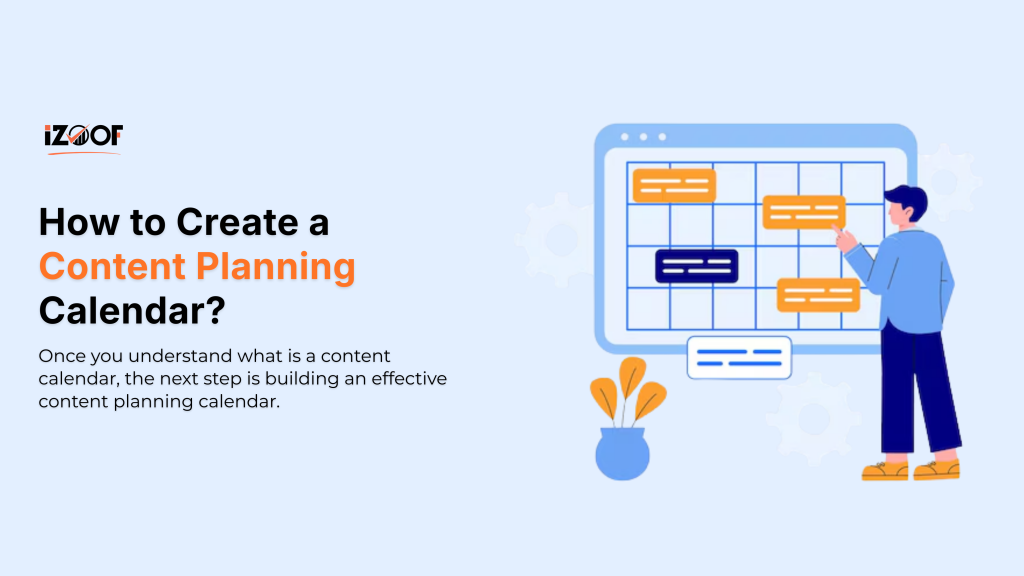
How to Create a Content Planning Calendar?
Once you understand what is a content calendar, the next step is building an effective content planning calendar. Start by defining your goals, whether they focus on traffic growth, lead generation, product awareness, or brand authority. Then identify your target audience and choose the right platforms for distribution. This ensures your planned content supports measurable objectives rather than random publishing.
Next, brainstorm content ideas based on keyword research, AI rewriter seasonal trends, and audience interests. Organize these ideas inside your content calendar with clear deadlines, assigned responsibilities, and publishing dates. Include content formats such as blog posts, social media updates, newsletters, and videos. Finally, review and adjust your schedule regularly using analytics insights. A structured approach reinforces the true content calendar explanation and shows why understanding what a content calendar is is essential for sustainable growth.
Tools and Templates for Content Calendars
Understanding what is a content calendar becomes more practical when you use the right tools. Many teams start with simple platforms like Google Sheets or Microsoft Excel to organize their planned content. These tools are flexible, customizable, and ideal for small teams managing blog posts or social media updates. For more advanced collaboration, platforms like Notion, Trello, and Asana provide visual boards, task tracking, and workflow automation.
Larger organizations often use marketing software such as HubSpot or project management systems that integrate analytics and publishing tools. Choosing the right solution depends on team size and complexity. Regardless of the tool, your content planning calendar should clearly outline deadlines, ownership, and distribution channels. A practical content calendar explanation includes both strategy and execution tools. Once you understand what a content calendar is, selecting the right template becomes a strategic decision rather than a technical one.
What is a content calendar? Types to Schedule
When exploring what is a content calendar, it’s important to understand the variety of content types you should include. A well-balanced content calendar should schedule blog posts, social media updates, email newsletters, videos, podcasts, and even product announcements. Diversifying your planned content ensures you reach audiences across multiple platforms while maintaining consistency in messaging.
For SEO-focused brands, long-form blog articles and keyword-driven guides should anchor the content planning calendar. Social media posts can amplify those articles, while email campaigns nurture subscribers with curated insights. Product teams may also schedule release notes, feature updates, and customer education materials. A practical content calendar explanation emphasizes strategic variety rather than repetitive publishing. By understanding what a content calendar is at this level, businesses can create a dynamic schedule that supports growth, engagement, and brand authority across channels.
Aligning Content Calendar with Strategy
Knowing what calendar content is is only valuable if your publishing schedule supports a larger strategy. A strategic content calendar should connect every piece of planned content to clear business objectives such as traffic growth, lead generation, brand awareness, or product adoption. Without alignment, even consistent publishing can fail to deliver measurable results.
Start by mapping content themes to quarterly goals and marketing campaigns. For example, if your focus is SEO growth, your content planning calendar should prioritize keyword-targeted blog posts and internal linking opportunities. If brand engagement is the goal, include interactive posts, community discussions, and multimedia content. A strong content calendar explanation emphasizes planning rather than random scheduling. When you truly understand what a content calendar is, you use it as a strategic roadmap that connects creativity with performance and long-term business growth.
What is a content calendar? Common mistake
Even after understanding what a content calendar is, many teams make mistakes that reduce its effectiveness. One common issue is over-scheduling. Trying to publish too much planned content without considering quality or resources often leads to burnout and inconsistent performance. A realistic content planning calendar should balance ambition with the capacity to maintain sustainable output.
Another mistake is failing to review analytics. A strong content calendar explanation includes performance tracking and adjustments based on data. Ignoring metrics means repeating underperforming topics while missing new opportunities. Poor communication is also a frequent problem; if responsibilities are unclear, deadlines slip, and collaboration suffers. When teams truly understand what a content calendar is, they treat it as a flexible, evolving strategy tool rather than a rigid schedule. Avoiding these common pitfalls ensures your content calendar drives growth instead of creating unnecessary stress.
What is a content calendar? Examples
To better understand what a content calendar is, it helps to look at practical examples. A marketing team might use a monthly content calendar that includes weekly blog posts, daily social media updates, and bi-weekly email newsletters. Each entry contains publishing dates, keywords, assigned writers, and promotion channels. This structured, planned content keeps campaigns organized and ensures consistent audience engagement.
In a product-focused company, the content planning calendar may revolve around release announcements, feature updates, customer onboarding guides, and educational webinars. Operations teams use similar systems to coordinate cross-department communication. A strong content calendar explanation highlights adaptability, which can serve bloggers, startups, and enterprise teams alike. By examining real-world scenarios, it becomes clear that understanding what a content calendar is allows organizations to streamline workflows while maintaining strategic clarity and long-term content consistency.
The Future of Content Calendars
As digital marketing evolves, the answer to what a content calendar is continues to expand. Modern teams are now integrating AI-driven insights, automation tools, and real-time analytics into their content calendar systems. Instead of static spreadsheets, businesses use smart platforms that suggest topics, track engagement metrics, and automatically adjust publishing schedules based on performance data. This evolution transforms traditional planned content planning into a dynamic growth engine.
Future-focused organizations are also adopting collaborative cloud-based tools like Notion, Asana, and HubSpot to streamline workflows. A forward-thinking content planning calendar will include predictive trend analysis and cross-platform integration. The updated content calendar explanation emphasizes flexibility, automation, and scalability. As content ecosystems become more competitive, understanding what a content calendar in a modern context is will be essential for brands that want to stay agile, consistent, and strategically ahead of their competitors.
Conclusion
By now, the question of what is a content calendars should feel much clearer. A structured content calendar is more than a publishing schedule; it is a strategic framework that organizes ideas, aligns teams, and drives consistent growth. Whether you manage blog posts, social media updates, email campaigns, or product announcements, structured, planned content ensures your messaging stays focused and intentional.
A well-designed content planning calendar reduces stress, improves collaboration, and supports measurable business goals. The complete content calendar definition combines strategy, scheduling, and performance tracking into one actionable system. Brands that truly understand what a content calendar is gain control over their workflow and build stronger audience relationships over time. In today’s competitive digital landscape, consistency and planning are no longer optional; they are essential for sustainable success.
FAQs
What is a content calendar? It is a structured planning system that helps individuals and teams organize, schedule, and manage upcoming content. A well-designed content calendar improves consistency, aligns content with business goals, and prevents last-minute publishing stress.
A complete content planning calendar should include publishing dates, content topics, formats, assigned team members, keywords, and distribution channels. Many teams also add status updates and performance metrics. A practical content calendar explanation goes beyond dates and focuses on strategic execution.
Your content calendar should be reviewed weekly and updated monthly or quarterly, depending on your strategy. Regular updates ensure your planned content stays aligned with trends, campaigns, and analytics insights. Flexibility is key to maintaining an effective content calendar plan.
No, understanding what a content calendar is benefits marketing, product, operations, and even executive teams. Any department that manages announcements, updates, or communications can use a content calendar to stay organized and consistent.
You can build a content calendar using tools like Google Sheets, Notion, Trello, Asana, or HubSpot. The best tool depends on your team size and workflow. The goal is to create a clear content planning calendar that supports collaboration and measurable results.


