
A complete on-page SEO guide is essential for improving search visibility, user experience, and long-term organic growth. On-page SEO focuses on optimizing individual web pages so search engines and users can clearly understand their purpose and value. When done correctly, it helps content rank for relevant queries while also increasing engagement and conversions. Search systems like Google rely on signals such as content structure, keyword placement, and page experience to evaluate relevance and quality.
Industry leaders, including Brian Dean and Semrush, consistently highlight that on-page optimization remains the foundation of any successful SEO strategy. This on-page SEO guide walks you through practical, step-by-step optimization methods that align with modern search behavior, helping your pages perform better in both traditional search results and AI-driven discovery platforms.
What Is On-Page SEO?
On-page SEO refers to optimizing the content and elements of a webpage so search engines and users can easily understand its relevance and value. A structured on-page SEO guide focuses on improving factors you fully control, such as content quality, keyword usage, headings, URLs, internal links, and page experience. These signals help search engines like Google determine how well a page matches search intent and whether it deserves prominent visibility.
Unlike off-page tactics, on-page optimization happens directly on your website and influences how pages are crawled, indexed, and ranked. Effective on-page SEO also supports AI-driven search results by presenting clear, well-structured information. When aligned with on-page SEO best practices, this approach ensures your content is readable, relevant, and authoritative. Understanding what on-page SEO is sets the foundation for applying advanced on-page SEO techniques that improve rankings, engagement, and long-term organic performance.
Why On-Page SEO Matters in 2026?
On-page SEO matters more than ever because search engines and AI systems prioritize clarity, relevance, and user experience. A modern on-page SEO guide helps pages communicate intent through structured content, optimized metadata, and performance signals that influence visibility. Platforms like Google increasingly evaluate how well a page satisfies user needs, not just whether it includes keywords. That makes on-page optimization essential for earning consistent rankings.
In 2026, strong on-page SEO best practices also support AI-driven discovery, where clear headings and concise sections are extracted and cited in answers. Beyond rankings, on-page SEO improves engagement by reducing bounce rates and increasing dwell time. When pages load quickly, read easily, and deliver value, they perform better across devices and search experiences. Following a reliable on-page SEO guide ensures your content remains competitive, trustworthy, and aligned with how users and search systems evaluate quality today.
On-Page SEO vs Off-Page SEO
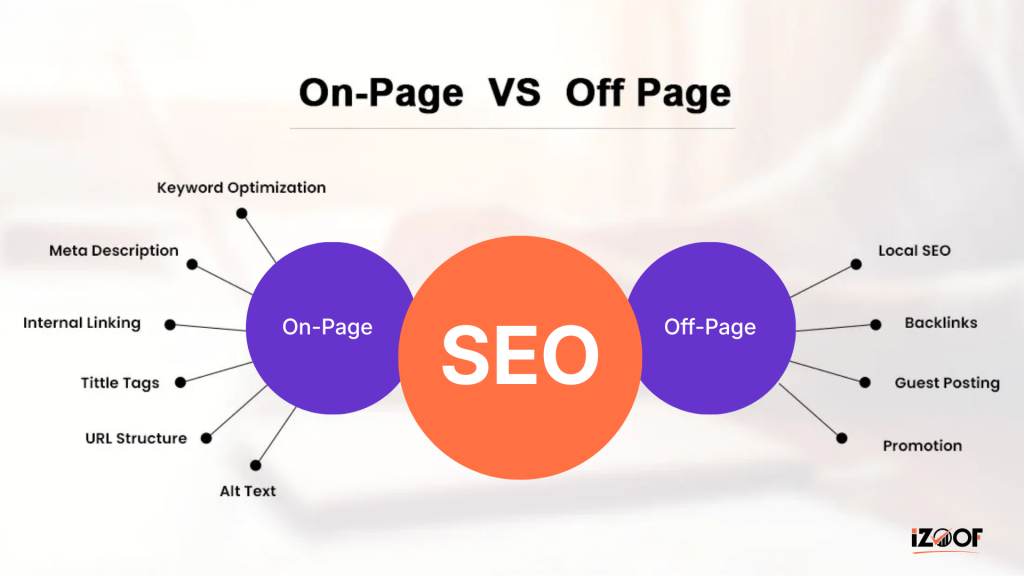
Understanding the difference between on-page and off-page SEO is essential for applying a complete on-page SEO guide effectively. On-page SEO includes all optimizations made directly on your website, such as content structure, keyword placement, internal linking, and page performance. These elements help search engines like Google clearly interpret what a page is about and how valuable it is to users.
Off-page SEO, on the other hand, focuses on external signals like backlinks, brand mentions, and digital PR that build authority outside your site. While both are important, on-page SEO provides the foundation that off-page efforts build upon. Without strong on-page optimization, even high-quality backlinks may fail to deliver results. Following proven on-page SEO best practices ensures your pages are relevant, user-friendly, and ready to benefit from external authority, making on-page SEO the smartest place to start any optimization strategy.
How Search Engines Understand Pages?
Search engines analyze web pages by crawling, indexing, and interpreting multiple on-page signals to determine relevance and quality. A detailed on-page SEO guide helps structure these signals so search systems can accurately understand page intent. Crawlers from Google scan content, headings, URLs, and internal links to identify topics and relationships between pages. A clear structure makes this process faster and more reliable.
Modern search also uses passage-based ranking, meaning individual sections of a page can rank independently if they clearly answer specific queries. This is why applying on-page SEO techniques such as descriptive headings, concise paragraphs, and logical content flow is critical. Search engines also evaluate user signals like engagement and page experience to confirm relevance. By following a structured on-page SEO guide, you help search engines and AI systems extract meaning efficiently, improving visibility across traditional results and AI-powered search experiences.
Step-by-Step on-page SEO Checklist
A clear checklist turns theory into action and ensures nothing is missed during optimization. This on-page SEO guide checklist focuses on the elements that most strongly influence relevance, visibility, and user experience. Start by creating unique, intent-matched content, then place keywords naturally in the title, H1, and opening paragraph. Next, optimize meta titles and descriptions for clarity and clicks, followed by clean URL structures and logical internal linking.
Apply on-page SEO best practices by structuring content with descriptive headings, adding optimized images with alt text, and linking to authoritative external sources where helpful. Performance also matters; fast loading times and mobile responsiveness are essential signals for Google. Finally, review pages using tools like Google Search Console to identify issues and opportunities. This checklist-based on-page SEO guide creates a repeatable process for consistent optimization.
Keyword Placement Best Practices
Strategic keyword placement helps search engines and users quickly understand page relevance without harming readability. A practical on-page SEO guide recommends placing the primary keyword in high-impact areas while keeping language natural. Start with the H1 and the first paragraph to establish context early, then reinforce relevance in subheadings where it fits logically. URLs, image alt text, and internal anchor text also provide supporting signals when used sparingly.
Search systems like Google favor clarity over repetition, so avoid forcing keywords into every sentence. Instead, use variations and related phrases to support topical depth, this aligns with on-page SEO techniques that emphasize intent matching. Consistent application of on-page SEO best practices ensures keywords confirm topic focus without triggering over-optimization. When placement is intentional and user-first, your on-page SEO guide helps pages rank, read well, and perform across traditional and AI-driven search results.
Writing SEO-Friendly Title Tags
Title tags are one of the strongest on-page signals, making them a core focus of any effective on-page SEO guide. A well-written title tells search engines and users exactly what a page offers, directly influencing rankings and click-through rates. Best practice is to keep title tags between 50 and 60 characters so they display fully in search results. Including the primary keyword near the beginning helps reinforce relevance for Google and makes the result immediately clear to searchers.
Beyond keywords, compelling language matters. Using modifiers like “best,” “guide,” or “step-by-step” can improve visibility for long-tail queries and align with on-page SEO techniques focused on intent. Each page should have a unique title to avoid confusion and duplication. When combined with strong content and clear structure, optimized titles support on-page SEO best practices by improving both rankings and user engagement across traditional and AI-powered search experiences.
Meta Descriptions That Drive Clicks
Meta descriptions may not directly influence rankings, but they strongly affect click-through rates, making them a vital part of any on-page SEO guide. A well-written meta description acts as an ad for your page, helping users decide whether to click your result over others. Search engines like Google often bold-match query terms, so including your primary keyword naturally can improve visibility and relevance.
Effective meta descriptions stay concise, ideally around 105–155 characters, and clearly communicate value. Using active language and a subtle call to action encourages engagement without sounding promotional. Following on-page SEO best practices, each page should have a unique meta description that accurately reflects its content. When paired with strong title tags and high-quality content, optimized meta descriptions support on-page SEO techniques by increasing organic clicks, reinforcing intent, and improving overall search performance.
Structuring Content With Headings
Clear heading structure helps users scan content and enables search systems to understand page hierarchy. A reliable on-page SEO guide recommends using one H1 for the main topic, followed by descriptive H2s and supportive H3s to break down subtopics. This structure improves readability and makes it easier for Google to extract answers for featured snippets and AI summaries.
Effective headings are specific and intent-driven. Instead of vague labels, use headings that mirror real queries and summarize the section’s value. This aligns with on-page SEO best practices by improving passage-based ranking, where individual sections can rank independently. Keep paragraphs short beneath each heading and answer the heading’s question in the first sentence. When headings are descriptive, consistent, and logically nested, they reinforce topical clarity, an essential on-page SEO technique that boosts engagement, accessibility, and overall search visibility.
URL Optimization for Better Rankings
Clean, descriptive URLs help search engines and users instantly understand what a page is about. A practical on-page SEO guide recommends keeping URLs short, readable, and focused on the primary topic. Including the main keyword naturally in the URL reinforces relevance without adding unnecessary parameters or dates. Search systems like Google treat URL words as lightweight ranking signals, but clarity and usability matter just as much.
Follow on-page SEO best practices by using hyphens to separate words, avoiding stop words when possible, and maintaining a logical folder structure. Consistent URLs also improve trust and click-through rates because users can predict page content before clicking. As part of effective on-page SEO techniques, update old URLs carefully and use redirects only when necessary to preserve equity. When URLs are optimized thoughtfully, this on-page SEO guide helps pages rank cleaner, load faster, and deliver a better overall experience.
Internal Linking Best Practices
Internal linking connects related pages and helps search engines understand your site’s structure and content relationships. A well-planned on-page SEO guide treats internal links as pathways that distribute authority and guide users toward relevant information. By linking from high-performing pages to newer or important content, you signal priority and topical relevance to Google.
Follow on-page SEO best practices by using descriptive anchor text that clearly explains what the linked page covers, rather than generic phrases like “click here.” Avoid over-linking, as too many links can overwhelm users and dilute value. Strategic placement within the content body is more effective than excessive footer or sidebar links. When applied consistently, internal linking becomes one of the most powerful on-page SEO techniques, improving crawlability, user engagement, and overall page performance across your site.
Image Optimization for On-Page SEO
Image optimization improves accessibility, page speed, and topical relevance, making it a key part of any on-page SEO guide. Search engines can’t “see” images the way users do, so descriptive filenames and alt text provide critical context. Use concise alt text that explains the image and naturally includes keywords when relevant, following on-page SEO best practices. This helps images appear in image search and supports AI extraction.
Performance matters just as much. Compress images, choose modern formats like WebP, and specify dimensions to prevent layout shifts. Tools such as PageSpeed Insights highlight image-related issues that affect Core Web Vitals. Lazy loading ensures images load only when needed, improving initial render time. When images are optimized for clarity and speed, these on-page SEO techniques enhance user experience, reinforce relevance, and strengthen overall page performance.
Page Speed and UX Optimization
Page speed and user experience directly influence how content performs in search results, making them essential elements of any on-page SEO guide. Fast-loading pages reduce bounce rates and improve engagement, which signals quality to search engines like Google. Mobile-first indexing also means your site must perform well on smaller screens to remain competitive.
Follow on-page SEO best practices by minimizing unused code, enabling browser caching, and optimizing images and fonts. Measuring performance with PageSpeed Insights helps identify issues related to Core Web Vitals, such as Largest Contentful Paint and Cumulative Layout Shift. Clear layouts, readable fonts, and intuitive navigation further enhance usability. When speed and UX are prioritized together, these on-page SEO techniques create a smoother experience that supports higher rankings, stronger engagement, and long-term organic growth.
Advanced On-Page SEO Techniques
Advanced optimization builds on fundamentals to increase relevance, visibility, and AI discoverability. A modern on-page SEO guide includes techniques like schema markup, passage optimization, and information gain to stand out in competitive results. Structured data helps search engines like Google better interpret content and qualify pages for rich results such as FAQs and how-to snippets.
Another advanced tactic is formatting content for AI and passage-based ranking. Use clear H2 sections, short paragraphs, and direct answers at the start of each section to improve extraction. Incorporating original insights, examples, or data adds information gain, an important differentiator aligned with on-page SEO best practices. Finally, update content regularly to maintain freshness and accuracy. When applied thoughtfully, these on-page SEO techniques elevate your on-page SEO guide from basic optimization to long-term authority building.
Measuring On-Page SEO Performance
Measuring results is essential to understand whether your on-page SEO guide is delivering real improvements or needs refinement. Tracking performance helps identify which optimizations drive rankings, traffic, and engagement. Tools like Google Analytics provide insights into organic traffic, bounce rates, and user behavior, showing how visitors interact with optimized pages.
Combine this data with reports from Google Search Console to monitor keyword positions, impressions, and click-through rates. These metrics reveal whether titles, descriptions, and content structure align with search intent. Following on-page SEO best practices, review performance regularly and update underperforming pages with improved content or structure. Consistent measurement turns on-page SEO techniques into an ongoing optimization cycle, ensuring your pages remain competitive, relevant, and aligned with evolving search algorithms.
Common On-Page SEO Mistakes
Avoiding common errors is just as important as applying best practices in any on-page SEO guide. One frequent mistake is keyword overuse, which reduces readability and can send negative quality signals to search engines like Google. Another issue is publishing thin or outdated content that fails to fully address search intent, leading to poor engagement and declining rankings.
Ignoring technical details such as missing meta descriptions, duplicate title tags, or broken internal links also weakens on-page performance. Many sites overlook mobile usability and page speed, despite their importance to on-page SEO best practices. Additionally, vague headings and unstructured content make it harder for search engines and AI tools to extract meaning. By recognizing and correcting these issues, your on-page SEO techniques remain focused on clarity, relevance, and user value, protecting rankings and improving long-term visibility.
Final Thoughts
Achieving consistent rankings and sustainable traffic starts with following a structured on-page SEO guide that prioritizes users as much as search engines. On-page SEO is not a one-time task; it’s an ongoing process of refining content, improving structure, and adapting to changing search behavior. When pages are optimized for clarity, speed, and intent, they naturally align with the quality standards set by Google.
The most effective results come from combining fundamentals with continuous improvement. Applying proven on-page SEO best practices, monitoring performance, and updating content regularly ensures long-term visibility. Instead of chasing shortcuts, focus on value-driven on-page SEO techniques that enhance user experience and topical authority. When done consistently, a strong on-page SEO guide becomes a reliable framework for growth, helping your website earn trust, improve rankings, and stay competitive in both traditional and AI-powered search results.