

Local SEO is the practice of optimizing a business’s online presence to attract customers from a specific geographic area. Unlike national SEO, which targets broad search queries, local business search engine optimization focuses on location-based searches such as “coffee shop near me” or “plumber in [city].” Key components include optimizing your Google Business Profile, building local citations, and using local keywords on your website.
For small businesses, effective local SEO business strategies help increase visibility in the Local Pack and on maps, driving foot traffic, phone calls, and online inquiries. By implementing local small business SEO best practices, owners can compete with larger companies while connecting directly with nearby customers. Ultimately, understanding local SEO for small businesses ensures your business appears where potential clients are actively searching, maximizing both online and offline growth.
Why Local SEO Matters for Small Firms?
Implementing local SEO for small businesses is crucial for attracting nearby customers and increasing sales. When potential clients search for services “near me” or in a specific city, a well-optimized business can appear in the Local 3-Pack on Google, boosting visibility. Business SEO drives targeted traffic, often converting better than broader campaigns, because users have immediate intent to purchase or visit.
Compared to paid advertising, small business SEO is cost-effective, offering long-term results without continuous ad spend. Small businesses leveraging local business strategies benefit from higher credibility, improved customer trust, and a competitive advantage over larger companies in their area. By prioritizing local SEO, small business owners can maximize local reach, increase inquiries, and grow their brand efficiently within their community.
Local SEO vs National SEO
Understanding the difference between local seo for small businesses and national SEO helps companies choose the right marketing strategy. While both approaches focus on improving search engine visibility, their target audience and optimization methods are different. Local SEO focuses on reaching customers in a specific geographic area, whereas national SEO targets a broader audience across an entire country. Below are the key differences between these two SEO strategies.
Target Audience and Geographic Focus
The main difference between local seo for small businesses and national SEO is the target audience. Local SEO focuses on customers in a specific city or region, helping businesses appear in local search results and map listings. National SEO targets users across the entire country and usually involves more competitive keywords.
Keyword Strategy in Local SEO for Small Business
In local seo for a small business, keywords usually include location-based terms such as city names or phrases like “near me.” These keywords help businesses attract local customers searching for nearby services. National SEO focuses on broader keywords that do not include geographic locations.
Competition Level
Another key difference is competition. Local seo for small businesses often has lower competition because businesses are targeting a smaller geographic market. National SEO usually involves higher competition since companies are competing with brands from across the country.
Optimize Google Business Profile
A well-optimized Google Business Profile is a cornerstone of local SEO for small businesses. Start by claiming and verifying your listing on Google, ensuring your NAP (Name, Address, Phone) is accurate and consistent. Select the most relevant categories and add detailed services, business hours, and high-quality images to attract potential customers. Regularly update posts, offers, and events to keep your profile active.
Encouraging customer reviews and responding promptly improves both credibility and search rankings. For small businesses, optimizing a Google Business Profile helps increase visibility in the Local 3-Pack, boosts website traffic, and drives calls or foot traffic. By focusing on these elements, local business Search Engine Optimization efforts become more effective, allowing businesses to dominate local search results and connect with their community.
Local Keywords & Content Strategy
Using the right local keywords is essential for local SEO for small businesses. Start by researching phrases your customers use, such as “small business local SEO services in [city]” or “[service] near me.” Incorporate these keywords naturally in titles, headings, meta descriptions, and website content. Creating location-specific landing pages for each service area enhances relevance and improves rankings.
Publishing blog content targeting local topics, events, or guides helps attract nearby customers and establishes authority in your community. Combining keyword optimization with high-quality, informative content supports local business SEO efforts and encourages engagement. By implementing a thoughtful small business SEO content strategy, owners can dominate search results, drive traffic, and convert local searches into loyal customers.
On-Page Local SEO Techniques
Optimizing on-page elements is crucial for local SEO for small businesses. Start by including local keywords in title tags, meta descriptions, and header tags to signal relevance to search engines. Implement structured data (schema markup) to help Google understand your business type, location, and services. Embedding Google Maps on your contact or landing pages enhances user experience and local relevance.
Ensure your website is mobile-friendly, fast-loading, and secure (HTTPS), as these factors impact rankings. High-quality images with descriptive alt text improve engagement and search visibility. By applying these on-page local SEO techniques, small businesses can increase their chances of appearing in the Local 3-Pack, attracting nearby customers, and improving overall online presence.
Customer Reviews in Local SEO for Small Business
Customer feedback is a major factor in local SEO for a small business. Positive Google Reviews, Yelp, and other directory ratings enhance credibility and influence search rankings. Encouraging satisfied customers to leave reviews builds trust and attracts new clients, while promptly responding to negative reviews shows professionalism and care. Highlighting testimonials on your website and social media strengthens local business search engine optimization by providing social proof and engaging content.
Regularly monitoring and managing your online reputation ensures consistent messaging across platforms. By prioritizing reviews and reputation management, small businesses implementing small business SEO can improve visibility in local search results, boost customer confidence, and generate repeat business within their community.
Local Backlinks & Partnerships
Building local backlinks is a key strategy for local SEO small businesses. Partnering with community organizations, sponsoring events, and collaborating with local blogs or media sites creates high-quality links that signal relevance to search engines. Listings in local directories such as the Chamber of Commerce, Yelp, or TripAdvisor further strengthen authority and trust. Guest posts on local websites and partnerships with nearby businesses can also drive traffic and improve visibility.
Consistently acquiring relevant local backlinks enhances your local business search engine optimization, helping small businesses rank higher in map results and search pages. By leveraging small business SEO through partnerships and backlinks, companies can increase exposure, build community trust, and attract more customers from nearby areas.
Mobile & Technical Local SEO for Small Business
Optimizing for mobile and technical SEO is crucial for local SEO for small businesses. Most local searches are conducted on smartphones, so a mobile-friendly website ensures visitors can navigate easily. Site speed, secure HTTPS protocol, and proper XML sitemaps improve user experience and search engine crawling. Implementing structured data (schema) helps search engines understand your business type, location, and services.
Fixing broken links and ensuring clean URL structures also enhances performance. For small businesses, technical optimizations combined with small business SEO strategies improve rankings in the Local 3-Pack and organic search results. By prioritizing mobile and technical aspects, businesses can provide a seamless experience for users while boosting visibility in local searches.
Social Media & Local Engagement
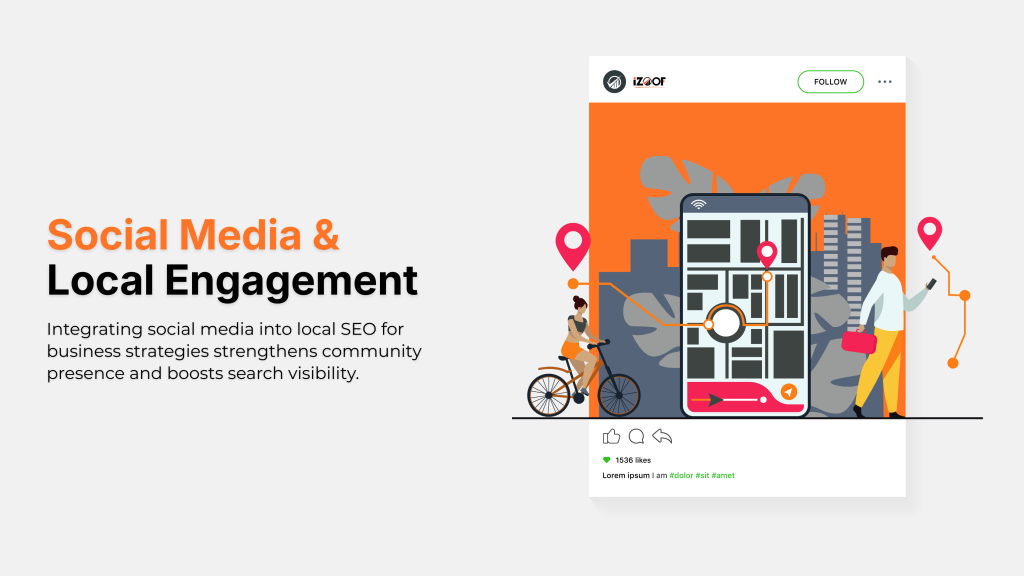
Integrating social media into local SEO for business strategies strengthens community presence and boosts search visibility. Platforms like Facebook, Instagram, and LinkedIn allow businesses to share updates, promotions, and local events, engaging nearby customers directly. Encouraging check-ins, reviews, and user-generated content signals popularity and relevance to search engines.
Hashtags, location tags, and geo-targeted posts help attract local audiences and drive traffic to your website. Combining social engagement with a well-optimized Google Business Profile enhances local business search engine optimization results. For small businesses, active participation on social platforms supports small business SEO, fosters relationships within the community, and increases the likelihood of appearing in local searches, ultimately driving foot traffic, inquiries, and conversions.
Tracking & Measuring Local SEO
Monitoring results is essential for local SEO small business success. Tools like Google Analytics, Google Search Console, and local rank trackers help measure website traffic, keyword rankings, and user engagement. Tracking metrics such as calls, map clicks, and direction requests provides insight into how customers interact with your business. Regular audits of your Google Business Profile, citations, and backlinks ensure consistency and effectiveness.
Analyzing review trends and competitor performance helps refine strategies. For small businesses, using data-driven insights supports local business search engine optimization efforts, ensuring resources are focused on high-impact actions. By consistently tracking and measuring performance, owners implementing small business SEO can make informed decisions, improve visibility, and maximize ROI from local search initiatives.
Common Mistakes to Avoid
Avoiding mistakes is critical for effective local SEO for small businesses. One common error is inconsistent NAP (Name, Address, Phone) information across platforms, which confuses search engines and customers. Ignoring customer reviews or failing to respond promptly can harm reputation and rankings. Using untargeted keywords instead of small business SEO phrases reduces visibility in geo-specific searches.
Additionally, neglecting mobile optimization can lead to poor user experience and lower rankings, as most local searches happen on smartphones. Small businesses should regularly audit their listings, optimize content for local search intent, and monitor technical SEO issues. By addressing these pitfalls, local business search engine optimization strategies become more effective, helping companies appear in the Local 3-Pack, attract nearby customers, and grow their brand locally.
Conclusion
In summary, local SEO for small businesses is a powerful strategy to increase visibility, attract nearby customers, and drive conversions. By optimizing your Google Business Profile, maintaining NAP consistency, using local keywords, and building citations and backlinks, small businesses can dominate local search results. Incorporating customer reviews, social media engagement, and mobile-friendly, technically optimized websites further enhances local business search engine optimization efforts. Regular tracking through Google Analytics and Search Console ensures strategies remain effective and competitive. Implementing small business SEO allows businesses to stand out in their community, connect with potential clients, and grow sustainably. Understanding and applying these best practices ensures long-term success in local markets while maximizing online and offline opportunities.
FAQs
Local SEO for small businesses is the process of optimizing online presence to attract customers in a specific geographic area. It includes Google Business Profile optimization, local keywords, citations, and reviews to appear in the Local 3-Pack and maps.
Results from small business SEO usually appear within 3–6 months, depending on competition, website authority, and the quality of citations, backlinks, and reviews. Consistency in optimization accelerates growth in local search rankings.
While paid ads generate instant visibility, local business search engine optimization offers long-term benefits and credibility. Optimizing for SEO business searches ensures sustained traffic, higher trust, and cost-effective marketing for small businesses.
Customer reviews on Google, Yelp, and other platforms improve credibility and rankings. Responding to reviews, both positive and negative, strengthens small business SEO and encourages engagement with local clients.
Yes, beginners can implement local SEO for a small business by optimizing Google Business Profile, using local keywords, building citations, and monitoring analytics. Tools like Google Analytics and Search Console simplify tracking and results.


