

Becoming a writer is more than just putting words on a page; it’s a journey of skill, discipline, and creativity. How to become a writer involves understanding different writing types, developing core skills, and consistently practicing your craft. Whether your goal is to be a book writer, a professional writer, or a freelance content creator, the first step is recognizing writing as both a passion and a potential career.
How to become an author. Many successful authors and content professionals started by experimenting with short pieces, journaling, or blogging. By learning the fundamentals and creating a daily writing habit, beginners can progress toward becoming writers who can produce compelling stories, informative content, and engaging material for readers. This guide will cover all steps from starting to achieving professional success.
What Does It Mean to Be a Writer?
Being a writer goes beyond simply creating text; it involves crafting messages, stories, and ideas that resonate with readers. Becoming a writer means developing the skills to communicate clearly, evoke emotions, and engage an audience. A professional writer can work in various fields, including journalism, content marketing, copywriting, or as a book writer.
The difference between a hobbyist and someone who knows how to become a writer lies in consistency, dedication, and a commitment to continuous improvement. Writing requires practice, research, and the ability to adapt your style for different audiences. Understanding what it truly means to be a writer helps beginners focus on skill-building, portfolio creation, and developing a mindset geared toward long-term success in the literary or professional writing world.
Types of Writing Careers in How to Become a Writer?
When learning how to become a writer, it is important to understand the different writing career paths available. Writing is a diverse profession that offers many opportunities depending on your interests, skills, and industry knowledge. Some writers focus on creative storytelling, while others work in technical, business, or digital content writing. Exploring various career options helps aspiring writers choose the path that best matches their goals. Each writing field requires different skills, tools, and levels of experience.
Content Writing
Content writing is one of the most popular career paths for people learning how to become a writer. Content writers create blog posts, website articles, guides, and online resources for businesses and websites. This type of writing focuses on providing useful information while also improving search engine visibility through SEO.
Copywriting in How to Become a Writer
Copywriting involves writing persuasive content designed to promote products or services. Writers working in this field create advertisements, landing pages, and marketing campaigns. For individuals exploring how to become a writer, copywriting can be a highly rewarding career because it combines creativity with marketing strategy.
Creative Writing
Creative writing includes storytelling, fiction, poetry, and script writing. Many people who want to learn how to become a writer choose this path to express ideas through novels, short stories, or screenplays. Creative writers often focus on imagination, character development, and storytelling techniques.
Essential Skills Every Writer Needs
To succeed in becoming a writer, developing essential skills is crucial. Strong grammar and language proficiency form the foundation of clear, professional writing. Storytelling allows you to engage readers, whether crafting a novel, article, or blog post. Editing and revising ensure your work is polished and communicates effectively. Creativity and research skills help generate fresh ideas and maintain originality.
Additionally, time management, discipline, and consistency are critical for becoming a writer who meets deadlines and builds a portfolio. Understanding your audience and tailoring content accordingly strengthens impact. By honing these skills, aspiring writers can progress toward becoming professional writers or successful authors, making their work more appealing to readers, clients, and publishers alike.
Writing for Beginners
For beginners, starting small is key. Begin by journaling daily, capturing thoughts, observations, and ideas to build consistency. Use writing prompts or exercises to practice creativity and develop your voice. Short stories, blog posts, or essays provide valuable practice and help refine storytelling and grammar skills.
Setting achievable goals, like writing a certain number of words per day, fosters discipline and momentum. Engaging with writing communities or workshops can provide feedback and motivation. By taking these initial steps, beginners lay a strong foundation for becoming a writer, gradually advancing toward professional opportunities, pursuing how to become a writer, or even embarking on a path to becoming a successful author.
How to become a Writer?
Developing a strong portfolio showcasing articles, blog posts, or short stories demonstrates your skills to potential clients or publishers. Networking with other writers, editors, and industry professionals helps uncover opportunities. Freelancing on platforms or contributing to publications builds experience and credibility. Consistently improving your craft through courses, workshops, and reading widely enhances your expertise.
Attention to deadlines, communication, and adaptability are crucial traits for professional writers. By following these steps, aspiring authors or content creators can establish themselves as credible professionals, advancing in becoming a writer with a sustainable income and recognition, while setting the foundation to eventually become a successful author or book writer. Transitioning from beginner to professional requires deliberate effort in how to become a writer.
Guide to Becoming a Successful Author
Achieving your goal of publishing a book is a major step in how to become a successful author. Start by planning and drafting your manuscript, whether fiction or non-fiction. Understanding the publishing process, traditional vs self-publishing, helps you choose the right path. Submitting query letters to agents or publishers can open doors to book deals, while self-publishing platforms offer control and faster release.
Building a personal brand through blogging, social media, or a website enhances visibility and credibility. Persistence, revision, and audience engagement are crucial for growth. By following these steps, aspiring writers transition from becoming a writer to gaining recognition as an author, increasing opportunities for sales, speaking engagements, and long-term success in the literary world.
Building a Writing Portfolio
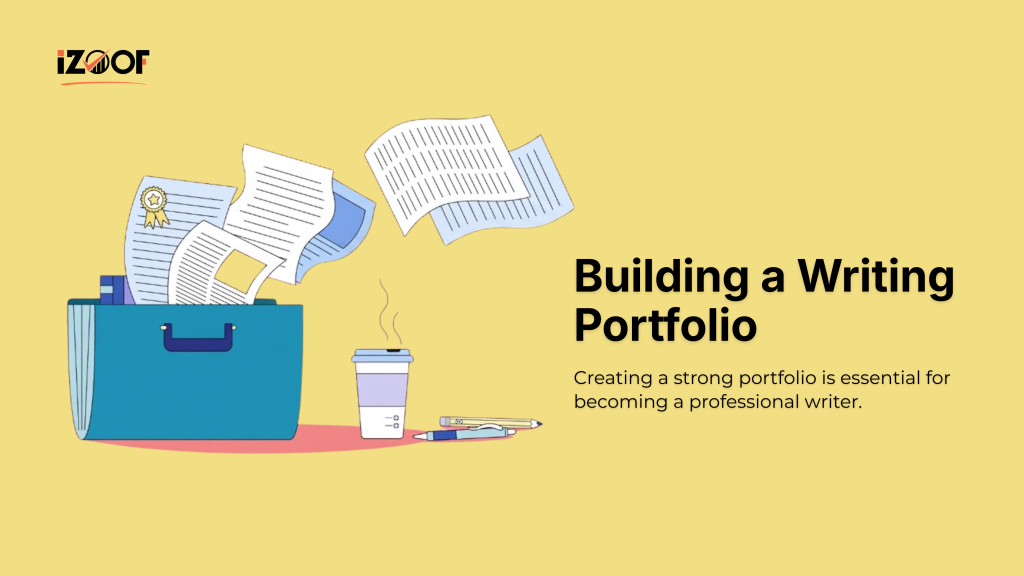
Creating a strong portfolio is essential for becoming a professional writer. A well-organized collection of your work showcases versatility, skill, and style to potential clients, editors, or publishers. Include a variety of samples, such as blog posts, articles, short stories, or excerpts from a book writer project. Highlight your best work and demonstrate expertise in different niches or formats.
Maintaining an online portfolio, through a personal website or platforms like Medium or LinkedIn, increases visibility. Regularly updating your portfolio with new projects reflects growth and commitment. By building a compelling portfolio, aspiring writers not only strengthen local credibility but also advance in becoming writers, gaining opportunities to freelance, publish, or pursue a career as a successful author.
Finding Jobs & Gigs
Landing writing opportunities is a key step in becoming a professional writer. Freelance platforms like Upwork, Fiverr, and ProBlogger allow beginners and experienced writers to find paid assignments. Job boards, content agencies, and publishing houses also list openings for articles, copywriting, and book writer projects.
Networking with other writers, editors, and industry professionals can uncover hidden opportunities. Maintaining a strong portfolio, following submission guidelines, and consistently applying improves chances of success. By strategically seeking work, aspiring writers not only gain income but also build experience and credibility. These steps are essential in becoming a writer, progressing toward becoming a professional writer or a successful author, while expanding your presence in the writing community.
Publishing Your First Book
Publishing your first book is a significant milestone in becoming a writer. Begin by preparing a polished manuscript, ensuring thorough editing, proper formatting, and a compelling structure. Decide between traditional publishing, which involves finding an agent and submitting query letters, or self-publishing on platforms like Amazon Kindle Direct Publishing for faster release and control.
Building an author platform through social media, a blog, or email newsletters increases visibility and engagement. Marketing your book, gathering reviews, and networking with readers and other authors enhances credibility. By taking these steps, aspiring writers move closer to becoming authors or successful authors, transforming their work from drafts into published creations that reach and impact a wider audience.
Writing Tools & Resources
Using the right tools and resources is essential when learning how to become a writer. Software like Microsoft Word, Google Docs, or Scrivener helps organize drafts and streamline editing. Grammar and style tools such as Grammarly or ProWritingAid improve clarity and correctness. Participating in writing workshops, online courses, and communities like NaNoWriMo or writing forums fosters skill development and motivation.
Reading books on writing craft and following expert blogs exposes beginners to new techniques and industry insights. By combining these tools and resources, aspiring writers can strengthen their writing skills, enhance productivity, and gain knowledge to progress toward becoming a professional writer or a successful author, making the journey both structured and inspiring.
Tips for Long Term Writing Success
Sustaining a career as a writer requires persistence, discipline, and continuous improvement. Regularly seeking feedback from peers or editors helps refine your skills and enhance your work. Revising drafts, experimenting with different writing styles, and setting realistic goals keep your writing fresh and engaging.
Marketing your work through social media, personal websites, or author platforms increases visibility and attracts readers or clients. Staying updated with industry trends, reading widely, and participating in writing communities fosters growth and networking opportunities. By adopting these strategies, aspiring writers strengthen their path in becoming a writer, progress toward becoming a professional writer, and position themselves to achieve recognition as a successful author.
Conclusion
Learning how to become a writer for beginners is a journey of skill, creativity, and dedication. From understanding what it means to be a writer, exploring various writing careers, developing essential skills, to creating a portfolio and finding opportunities, each step builds toward professional success. Beginners benefit from practicing daily, using prompts, and engaging with writing communities. Aspiring authors can advance to how to become a writer or a successful author by publishing, networking, and diversifying income streams.
FAQs
The first step is to start writing daily. Beginners should practice journaling, short stories, or blog posts to build consistency and develop their voice. This foundation is essential for becoming a writer professionally.
To become a professional writer, focus on building a portfolio, gaining experience through freelance work, and improving your skills. Platforms, workshops, and networking support how to become a professional writer for sustainable career growth.
Writing a complete manuscript, learning about publishing, and promoting your work are key steps in how to become a writer and eventually a successful author. Persistence, continuous revisions, and engaging with your audience help aspiring writers improve their skills and gain recognition in the writing industry.
Yes, beginners can become book writers by starting with drafts, using prompts, and gradually completing longer works. Structured practice and guidance accelerate progress in becoming a writer for beginners.
While not mandatory, writing tools like Google Docs, Scrivener, and grammar apps improve efficiency and quality. Using resources supports anyone learning how to be a writer and enhances professional output.


